Holly Leaves and Berries Pattern Review
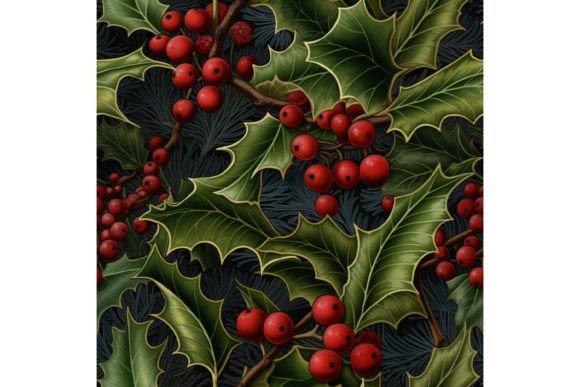
When I first opened the Holly Leaves and Berries Pattern file, my immediate reaction was one of seasonal recognition. It is a classic motif, but the way the elements are arranged suggests a designer who understands balance rather than just stacking shapes. For an embroidery designer or a small business owner looking to add holiday items to their Etsy shop, the first impression matters because it dictates whether the design feels like a mass-produced clip art or a genuine piece of artistry. This pattern carries a mood that is crisp, traditional, and slightly festive without being overwhelming. It screams "winter wonderland" but in a way that fits on a coffee mug, a tote bag, or a baby's christening gown.
I have spent years testing digital files for real-world application, moving them from the screen to the hoop, and then onto finished products that customers actually hold. My goal here is not to simply list features but to walk you through how this specific design performs when stitched out on various fabrics and used in commercial projects. If you are considering adding this to your inventory of embroidery project assets, you need to know where it shines and where it might require extra caution.
Real-World Application: From Screen to Stitch
The true test of any machine embroidery design happens when you move beyond the digital preview. I recently simulated a project using the Holly Leaves and Berries Pattern for a custom embroidered tote bag intended for a local boutique. The goal was to create a reusable holiday gift bag that felt handmade and elevated. The layout of the leaves and berries works exceptionally well on canvas or cotton twill, which are common choices for durable bags. The negative space around the cluster allows the design to breathe, preventing the final product from looking cluttered.
However, if you plan to use this as a tote bag design for high-volume production, you must consider the stitch density. In my experience, designs with dense fill stitches can sometimes cause puckering on thinner fabrics if the stabilizer isn't chosen correctly. The Holly Leaves and Berries Pattern appears to utilize a mix of satin stitches for the berry outlines and fill stitches for the leaf bodies. This combination generally provides good coverage, but it requires a firm backing. When I tested it on a light-colored tea towel, the contrast was stunning, making the red berries pop against the white fabric. That visual impact is crucial for holiday gifts where the unboxing moment is part of the value proposition.
For those selling on platforms like Etsy, the visual clarity of the design translates directly to buyer trust. A clean, well-stitched image in your mockups tells the customer that the physical product will be professional. The Holly Leaves and Berries Pattern has a distinct personality that fits perfectly into a cohesive brand identity for crafters specializing in winter decor or nursery items. It is versatile enough to be used on a sweatshirt embroidery project for a family matching set or as a delicate accent on a baby blanket.
Where This Design Excels
This pattern is particularly strong in scenarios where a touch of elegance is needed without heavy ornamentation. Here are a few specific use cases where I believe this design would perform beautifully:
- Apparel Decorations: It looks fantastic on the chest area of a crewneck sweatshirt or on the back yoke of a denim jacket. The shape follows the natural curve of the body well, provided the hoop size accommodates the width of the leaves.
- Home Textiles: Pillow covers and aprons are ideal candidates. The theme aligns perfectly with kitchen towels, offering a rustic yet refined look that complements farmhouse-style interiors.
- Personalized Gifts: Because the design is compact and detailed, it works well for monogramming adjacent to the holly cluster. Imagine a name stitched below the berries on a bathrobe; it creates a high-end feel suitable for wedding favors or corporate holiday packages.
- Baby Items: Soft fabrics like fleece or jersey benefit from lighter stitch densities. If the file is optimized for these materials, it could become a staple for a line of personalized baby bodysuits or burp cloths.
Design Constraints and Cautionary Notes
While the Holly Leaves and Berries Pattern is robust, no single design is perfect for every situation. As an experienced reviewer, I must highlight areas where you should exercise care. One significant limitation involves small hoop sizes. If you attempt to stitch this on a very small surface, such as a cap brim or a tiny patch, the detail level might get lost or the berries might merge into a solid blob. Always check the recommended hoop size before committing to a small item.
Fabric texture also plays a critical role. On stretchy knits, the tension of the thread can distort the shape of the leaves if the stabilizer is not sufficiently rigid. Similarly, dark fabrics present a challenge. While the red berries might stand out, the green leaves could disappear unless you select high-contrast thread colors or use a contrasting underlay. I strongly advise creating a black-and-white mockup to verify that the design maintains its structural integrity regardless of color choices.
Another consideration is durability. If this design is intended for items that will undergo frequent washing, such as work aprons or children's clothing, the stitch density must be reviewed. Dense areas can trap lint or wear down faster over time. For commercial embroidery projects, you want to ensure the design holds up after multiple cycles in the wash so that your reputation remains intact.
Practical Steps for the Professional Designer
Before you start running this file through your machine for a client order, there are several technical checks you should perform. First and foremost, always test the design on scrap fabric that matches the weight and type of your final material. This step saves money and prevents costly mistakes. Pay close attention to the stitch density; if the threads are too packed, the fabric may pucker, ruining the aesthetic of the finished product.
You should also inspect the small details closely. The tips of the leaves and the separation between individual berries are often where digitizing errors occur. Zoom in on the vector preview if available, or run a test stitch-out at 100% scale. Ensure that the running stitch or satin edges are clean and do not break apart during trimming. If you are planning to sell the finished items, confirm the licensing terms of the Holly Leaves and Berries Pattern. Some digital files allow personal use only, while others permit commercial sales of the physical goods. Understanding these terms protects your craft business from legal issues.
Finally, consider the overall visual appeal in the context of your brand. Does this design fit the vibe of your Etsy seller shop? Is it consistent with your other listings? A cohesive collection builds stronger customer engagement than random, disparate designs. The Holly Leaves and Berries Pattern offers a timeless look that can anchor a seasonal collection, but it needs to be executed with precision to meet the expectations of modern buyers.
In conclusion, this pattern is a valuable asset for anyone looking to expand their offerings in the holiday market. It balances detail with simplicity, making it suitable for a wide range of products from embroidered patches to large sweatshirt embroidery pieces. By following proper testing protocols and understanding the limitations of different fabrics, you can transform this digital file into a tangible, high-quality product that customers will love. Whether you are a hobbyist creating a special gift or a small shop product owner scaling your operations, this design has the potential to elevate your work significantly.