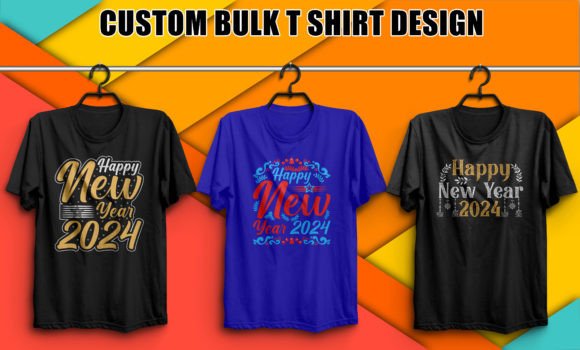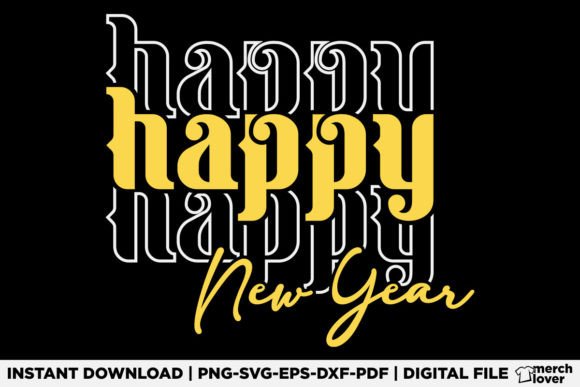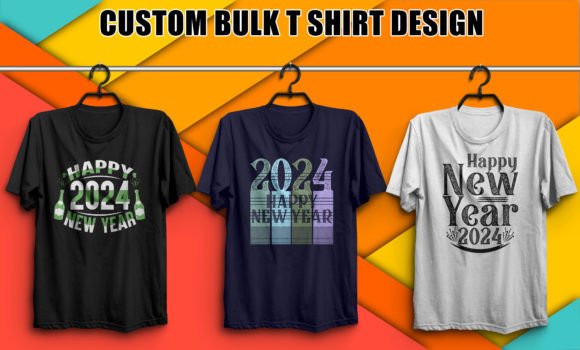
Happy New Year 2024: A Designer's Real-World Review
As someone who has spent years stitching out designs for clients and running a small handmade shop, I know that the difference between a good embroidery file and a great one often comes down to how it behaves under the needle. When I first pulled up Happy New Year 2024, my initial reaction wasn't about the festive message itself, but rather the potential of the design as a commercial asset. In the world of machine embroidery, we are constantly looking for that sweet spot where visual appeal meets technical feasibility. This design aims to capture the celebratory spirit of the upcoming year, and after putting it through a mental simulation of real-world application, I have some practical thoughts on how it performs.
The First Impression and Visual Personality
The moment you load this design into your software, the layout speaks volumes about its intended use. The typography feels confident and modern, suggesting a piece that is meant to be seen clearly from a distance. For a holiday-themed project like this, the mood is crucial; it needs to feel fresh and exciting without looking dated too quickly. Happy New Year 2024 strikes a balance here. It avoids overly ornate flourishes that might get lost in the stitching process, opting instead for clean lines that promise clarity in the final product.
Visually, the design exudes a sense of celebration. It feels right at home on items that people want to wear or display during the winter season. Whether you are thinking about creating a custom sweatshirt for a family gathering or a set of kitchen towels for a hostess gift, this design provides a strong focal point. The shape and theme suggest a versatility that appeals to both hobbyists and professional decorators looking to add a seasonal touch to their inventory.
Real-Life Application: From Screen to Stitch
To truly understand the value of this embroidery file, we need to look at how it translates to physical products. Let me share a scenario I recently considered while preparing for a craft fair. I was envisioning a line of personalized tote bags for a boutique client. The goal was to offer something unique for New Year's Eve parties. I imagined Happy New Year 2024 stitched onto a sturdy canvas bag with a high thread count. The design would sit prominently on the front, serving as an instant conversation starter.
In this context, the design works exceptionally well. The lettering is substantial enough to hold its own against the texture of the fabric, yet detailed enough to look professional. However, the same design might require a different approach if applied to a baby onesie. While the sentiment is perfect for a newborn's first New Year, the density of the stitches would need careful consideration to ensure comfort. Similarly, for a cap or hat, the curvature of the surface changes how the letters appear. On a curved brim, the text might need slight adjustments to avoid distortion, which is a common challenge in custom apparel.
I also see this design fitting beautifully into holiday embroidery projects for aprons and pillow covers. Imagine a set of embroidered patches featuring this text attached to denim jackets or used as decorative accents on throw pillows. The visual weight of the design allows it to stand out even when paired with other elements, making it a versatile choice for creative entrepreneurs building a cohesive brand identity.
Where Caution Is Required
While the design has many strengths, every experienced designer knows that there are specific scenarios where a design can fail if not handled correctly. One area to watch closely is the use of small hoop sizes. If you attempt to stitch this on a very small item, such as a wrist cuff or a tiny patch, the details might become muddy. Satin stitch areas can sometimes lose definition when compressed into a tight space, leading to a less polished finished product.
Fabric texture is another critical factor. Textured fabrics like chunky knits or heavy corduroy can obscure the finer details of the lettering. On thin or stretchy fabrics, the stability of the design relies heavily on the quality of the stabilizer used. Without proper support, the tension of the threads could cause puckering, ruining the crisp look of the text. Dark fabrics present their own challenges; if the thread colors chosen do not offer sufficient contrast, the design may disappear into the background, reducing its impact.
Furthermore, dense stitch areas should be evaluated carefully. If the design includes significant fill stitch regions, it may become stiff or bulky, which is undesirable for garments worn close to the skin, like baby clothes. Layered garments or items that require frequent washing also demand attention. Over time, high-density embroidery can wear differently than the surrounding fabric, so choosing the right thread strength and wash care instructions is essential for maintaining the integrity of the piece.
Impact on Product Value and Brand Trust
In the competitive world of Etsy sellers and small business owners, the quality of your work directly influences customer trust. A well-executed Happy New Year 2024 design elevates the perceived value of your handmade product. When a customer receives a tote bag or a sweatshirt with clean, precise stitching, they associate that quality with your brand. It signals professionalism and attention to detail, which are key drivers for repeat business and positive reviews.
Conversely, a poorly executed design can damage your reputation. Issues like loose threads, uneven spacing, or misaligned text can make a custom apparel item look amateurish. By ensuring that your digital embroidery file is optimized for your specific machine and materials, you protect your investment and maintain brand consistency. This is particularly important for commercial embroidery projects where consistency across multiple units is required.
Practical Notes for Designers and Makers
Before you commit to producing a batch of these items, there are several steps you should take to ensure success. First and foremost, always test the design on scrap fabric that matches your final material. This allows you to check thread color contrast and observe how the stitch density interacts with the fabric texture. Running a test run in black and white mockups can also help you visualize the design without the distraction of color, ensuring the layout remains balanced.
Confirm your hoop size before starting production. Ensure that the design fits comfortably within your machine's capabilities without requiring excessive trimming. Inspect small details closely; sometimes, what looks good on a screen can suffer when stitched at a smaller scale. Use the proper stabilizer for your fabric type—cut-away stabilizers are generally recommended for knitwear and stretchy fabrics to prevent shifting, while tear-away works well for stable wovens.
Finally, review the licensing terms carefully. If you plan to sell finished items or distribute this as a digital product, you must confirm whether the license allows for commercial use. Many designers create assets specifically for personal use, and using them commercially without permission can lead to legal issues. Check the file formats to ensure compatibility with your embroidery software and verify the machine requirements. By taking these precautions, you safeguard your craft business and ensure that your embroidery project results in a high-quality finished product that your customers will love.