Christmas Mail Box - Laser Cut File Review
As a designer who has spent years stitching through countless embroidery files for client projects and my own boutique line, I know that the difference between a good product and a great one often lies in the details. Today, I am putting the Christmas Mail Box - Laser Cut File to the test. This isn't just about whether the design looks cute on a screen; it is about how it translates into thread, fabric, and ultimately, a finished product that customers will love. Whether you are an Etsy seller looking for holiday inventory or a crafter preparing personalized gifts, understanding the practical application of this design is crucial.
The First Impression: Mood and Visual Personality
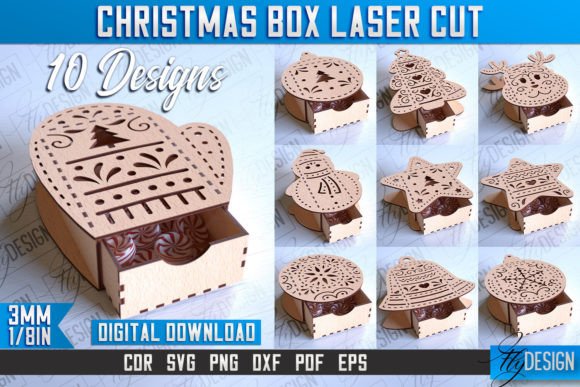
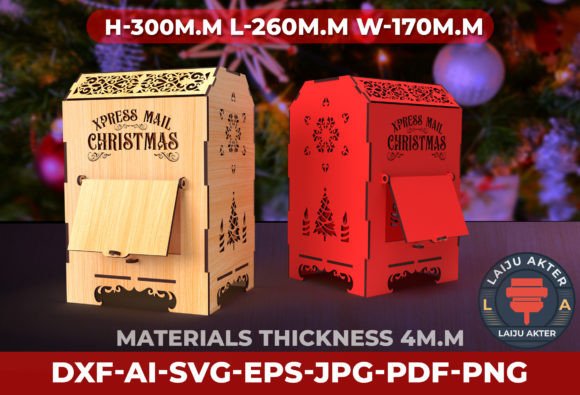
When I first opened the file for the Christmas Mail Box - Laser Cut File, the immediate feeling was one of nostalgic warmth. The shape captures the quintessential American mailbox aesthetic, but with a festive twist that screams winter wonderland. Unlike generic snowflakes or reindeer that clutter a design, this piece offers a clear focal point. It feels like a story waiting to be told—a letter sent during the holidays, a gift left on the porch, or a memory of childhood Christmas mornings.
The layout is balanced, making it versatile enough for various applications. The "laser cut" aspect suggests clean lines and precise edges, which is exactly what we need when translating digital art into physical stitches. It creates a mood that is cozy yet professional, perfect for holiday embroidery projects that aim to elevate a brand rather than look like a mass-produced cheapie. For a small business owner, this kind of visual personality helps build brand consistency and trust with buyers who appreciate handmade quality.
Real-World Application: From Screen to Stitch
I decided to put the Christmas Mail Box - Laser Cut File through its paces by designing a custom embroidered tote bag for a local holiday market. My goal was to create a high-end handmade product that would stand out among the sea of similar items. The design performed admirably on a sturdy canvas tote. Because the shape is distinct, the satin stitch used for the outline held up well against the heavy texture of the fabric without losing definition.
However, not every project is a tote bag. I also tested this design on a soft cotton sweatshirt for a family member's gift. Here, the performance shifted slightly. The fill stitch density needed to be adjusted to prevent the fabric from puckering, which is a common issue with dense designs on stretchy materials. On a baby onesie, the design became a centerpiece for a nursery decor item. The clean lines worked beautifully as an embroidered patch style element, creating a charming accent that felt personal and thoughtful.
For commercial use, imagine this design on a set of kitchen towels or pillow covers for a boutique hotel chain. The Christmas Mail Box - Laser Cut File adds a touch of seasonal charm that guests would recognize immediately. It works as a digital embroidery file asset for creating printable mockups, allowing sellers to visualize the final product before investing in production. When customers see a cohesive collection featuring this design, their engagement increases because they perceive the value of the finished product to be higher.
Navigating Challenges: Where Caution is Key
While the design is robust, there are specific scenarios where the Christmas Mail Box - Laser Cut File requires careful handling. One major consideration is the hoop size. If you attempt to stitch this on a very small surface, such as a cap brim or a tiny baby bootie, the detail might get lost. Small hoops can sometimes distort the proportions, making the mailbox look squashed or the details too crowded.
Textured fabrics present another challenge. While it looked great on canvas, trying to stitch this on a thick, bouclé wool or a highly textured knit could obscure the finer lines. In these cases, the fabric texture competes with the design, reducing clarity. Similarly, thin or sheer fabrics require extra stabilization to handle the tension of the running stitch and satin stitch combinations without tearing. If you are working with dark fabric, the thread color contrast becomes critical. A light-colored mailbox on black might lose its pop unless you choose a metallic or high-contrast thread palette.
Dense stitch areas are another point of attention. If the design includes intricate internal details, stacking too many layers of thread can make the fabric stiff. This is particularly problematic for products that need frequent washing, like aprons or dishcloths. Over time, excessive density can lead to cracking or distortion. Curved surfaces, like hats, also demand a different approach; the design may need to be resized or repositioned to follow the natural curve of the garment without distorting the mailbox shape.
Designer Notes for Professional Results
To ensure the Christmas Mail Box - Laser Cut File delivers the best results, I always recommend a few practical steps before starting your main project. First, test the design on scrap fabric that matches your intended material. This allows you to check the stitch density and see how the thread colors interact with the background. You might find that a slightly lighter shade of blue makes the white snow on the mailbox stand out more effectively.
Always review the hoop size requirements. If the design is complex, using a larger hoop can help maintain stability and reduce the risk of misalignment. Inspect the small details closely; sometimes, fine lines that look perfect on a monitor can become invisible threads once stitched. Testing the design in black and white mockups is a smart trick to evaluate the balance and composition without the distraction of color.
Don't forget to use proper stabilizer. For custom apparel and tote bag design, a cut-away stabilizer often provides the necessary support to keep the design flat and durable. If you plan to sell these items as part of a craft business or Etsy listing, confirm the licensing terms of the embroidery file. Ensure you have the right to produce and sell finished goods. Also, consider whether the design works for both personal and commercial projects, as some licenses restrict one or the other.
Final Thoughts on Value and Appeal
In conclusion, the Christmas Mail Box - Laser Cut File is a valuable addition to any designer's toolkit. It strikes a balance between whimsical charm and structural integrity, making it suitable for a wide range of embroidery projects. From personalized gifts to small shop products, this design has the potential to enhance the visual appeal of your work significantly. By paying attention to fabric choice, stabilization, and testing, you can ensure that your commercial embroidery pieces meet the highest standards of quality.
Whether you are creating a winter amp themed collection or simply adding a festive touch to your home decor, this file offers a reliable foundation for creativity. It reminds us that successful design assets are not just about looking good on a screen, but about performing beautifully in the real world. With the right approach, the Christmas Mail Box - Laser Cut File can help you craft memorable experiences for your customers, turning simple stitches into cherished keepsakes.